Hry

Prečítate na zariadeniach:

  • Pocketbook
  • Kindle
  • Smartfón či tablet s príslušnou aplikáciou
  • Počítač s príslušnou aplikáciou

Nie je možné meniť veľkosť písma, formát je preto vhodný skôr pre väčšie obrazovky.

Viac informácií v našich návodoch

Prečítate na zariadeniach:

  • Pocketbook
  • Kindle
  • Smartfón či tablet s príslušnou aplikáciou
  • Počítač s príslušnou aplikáciou

Viac informácií v našich návodoch

Prečítate na:

Neprečítate na:

Ako čítať e-knihy zabezpečené cez Adobe DRM?
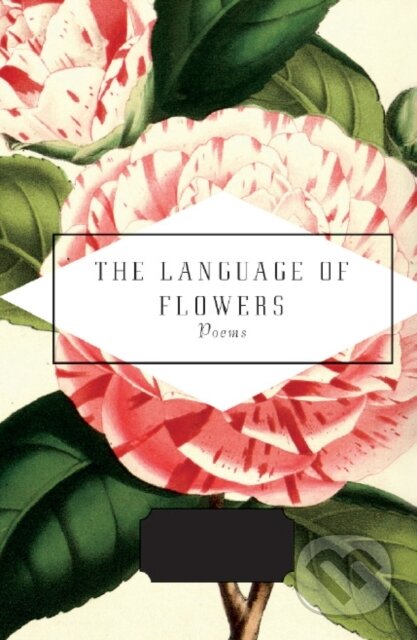
Kniha: The Language of Flowers (Jane Holloway). Everyman, 2017

The Language of Flowers

Selected by Jane Holloway

The language of flowers is as old as language itself. This book aims to provide an updated floral anthology for the 21st century, presenting poetry from ancient Greece to... Čítať viac

Séria
Everyman's Library POCKET POETS
Vydavateľstvo
Everyman, 2017
256 strán
5-6 hodín čítania
Vychádzame z priemerného údaju o rýchlosti čítania 230 slov za minútu, od knihy ku knihe a čitateľa ku čitateľovi sa to však môže líšiť.

The language of flowers is as old as language itself. This book aims to provide an updated floral anthology for the 21st century, presenting poetry from ancient Greece to contemporary Britain and America, and spanning the world from Cuba to Korea,... Čítať viac

  • Pevná väzba
  • Angličtina
Cena: 14,90 €
U dodávateľa 5 ks
Posielame do 4 – 5 dní
Tento produkt momentálne nemáme na sklade, ale zvyčajne vám ho vieme zabezpečiť a odoslať do 4 – 5 dní. A posnažíme sa aj trochu rýchlejšie!

Naši škriatkovia odporúčajú

Škola volá. Učebnice a slovníky so zľavou 15 %. Využiť zľavu

Viac o knihe

The language of flowers is as old as language itself. In the earliest poetry familiar plants were used to represent simple emotions, ideas, or states of mind: love, hope, despair, fidelity, solitude, beauty, mortality. Over time these associations entwined with myth and legend, with religious symbolism, folk and herbal lore. By the early 19th century the ''Language of Flora'' had become increasingly refined, especially in England and America, where sentimental flower books listing flower meanings and illustrating them with verse were perennial bestsellers. The Everyman Language of Flowers without sacrificing the charm of its Victorian predecessors aims to provide extended, updated and rather more robust floral anthology for the 21st century, presenting poetry from ancient Greece to contemporary Britain and America, and spanning the world from Cuba to Korea, Russia to Zimbabwe. Here are Rumi and Rilke on the rose; Herrick and Louise Glück on the lily; Chaucer, Emily Dickinson and Jon Silkin on the daisy; Mary Robinson and Ted Hughes on the snowdrop; Lorenzo de Medici, John Clare and Alice Oswald on the violet; Hugo and Roethke on carnations; Ovid and Goethe on poppies; Blake and Eugenio Montale on the sunflower; Christina Rossetti on heartsease and forget-me-nots; Emily Brontë on harebells and heather, Seamus Heaney on lupins, Pasternak on night-scented stock... Eastern cultures, rich in flower associations, are well represented: there are Tang poems celebrating chrysanthemums and peonies, Zen poems about orchids and lotus flowers, poems about jasmine and marigolds from India, roses, tulips and narcissi from Persia, the Ottoman empire and the Arabic world. Flowers are arranged by season, with roses and lilies in a section of their own. In a final section poets comment directly or indirectly on the language of flowers itself. The book concludes with a selected glossary drawn from several celebrated Victorian collections.
Naše katalógové číslo
3856445
Originálny názov
The Language of Flowers
Počet strán
256
Väzba
pevná väzba
Rozmer
165×114 mm
Hmotnosť
226 g
ISBN
9781841598079
Dátum vydania
7. 9. 2017
Jazyk
angličtina
Séria
Everyman's Library POCKET POETS
Vydavateľstvo
Everyman
Kategorizácia

Našli ste chybu alebo škodlivý obsah? Dajte nám, prosím, vedieť!

Nahlásiť chybu alebo škodlivý obsah

Máte o knihe viac informácií ako je na tejto stránke alebo ste našli chybu? Budeme vám veľmi vďační, ak nám pomôžete s doplnením informácií na našich stránkach.

Hodnotenia

Ako sa páčila kniha vám?

Nikdy som nestratil zo zreteľa, čo znamená byť civilizovaný človek. Vedel som, že prežitie by nemalo zmysel, keby som sa musel stať podliakom...Viete, jedlo na prežitie nestačí. Neexistuje liek na morálne zásady. Ak ich človek stratí, príde aj o seba.